
- New
LIXIL - From Sanitation Products to Sanitation Economies
LIXIL
Headquarters: Japan
Project Countries: LMICs / Global
Keywords: WASH, sanitation, hygiene, SATO, LIXIL, UNICEF
Summary
A global manufacturer of water and housing products from Japan, LIXIL has treated sanitation as both a business and impact priority. Through its social business SATO, LIXIL has created a market-based approach that combines access to sanitation and hygiene with local manufacturing, distribution, and job creation. With its diverse partners, the company has supported progress toward adequate and equitable sanitation for all by 2030.
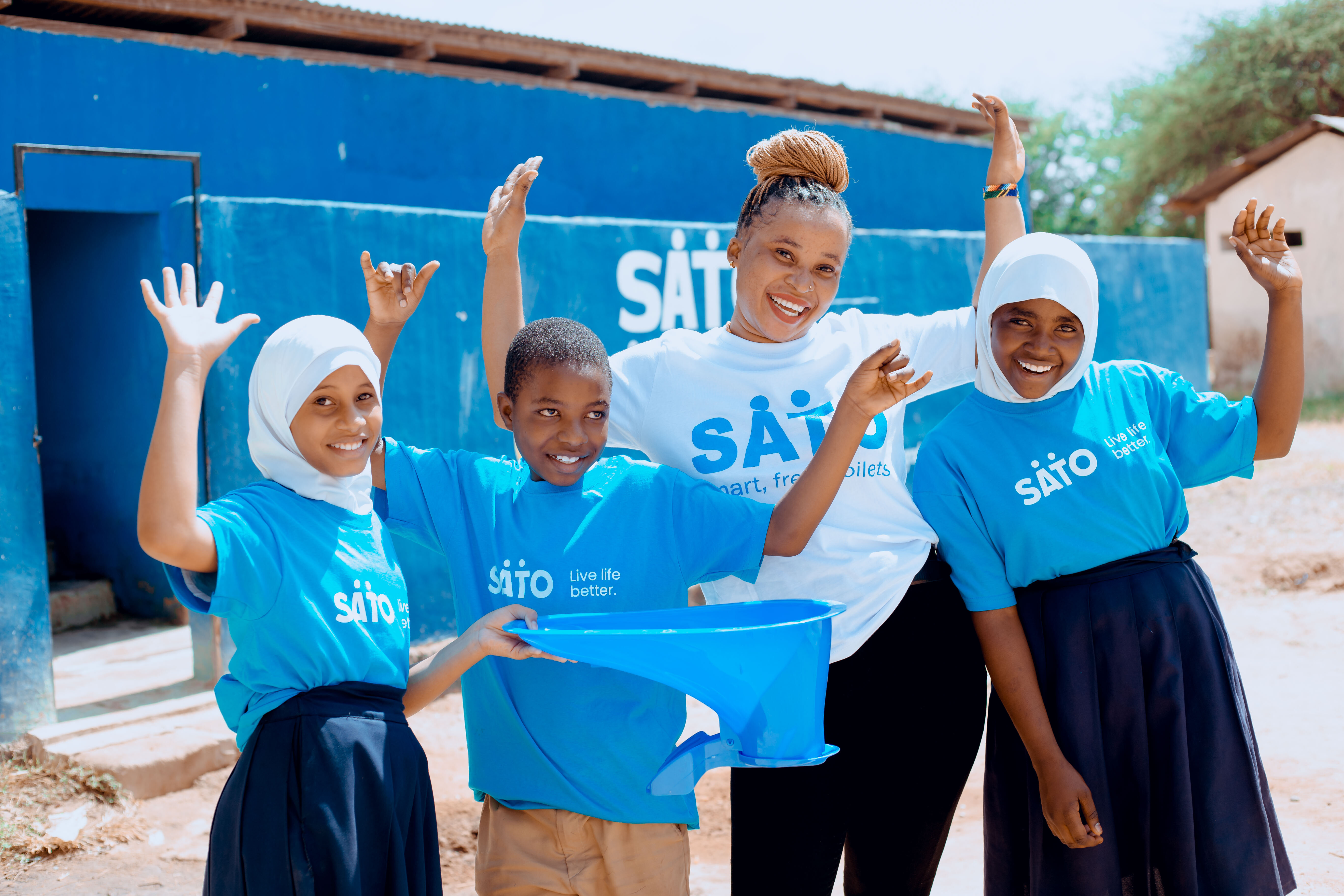
Key Figures (as of Dec 2025)
| 59 Countries and Territories Reached with SATO Products |
10M+ Affordable Sanitation and Hand-Hygiene Units Shipped |
100M+ People Reached with Improved Sanitation and Hygiene |
Partner's Information
LIXIL makes pioneering water and housing products that solve everyday, real-life challenges, making better homes a reality for everyone, everywhere. Drawing on our Japanese heritage, we create world-leading technology and innovate to make high quality products that transform homes. But the LIXIL difference is how we do this; through meaningful design, an entrepreneurial spirit, a dedication to improving accessibility for all, and responsible business growth. Our approach comes to life through industry leading brands, including INAX, GROHE, American Standard, and TOSTEM. Approximately 53,000 colleagues operating in more than 150 countries are proud to make products that touch the lives of more than a billion people every day.
Background & Challenge
As of 2024, 3.4 billion people still lack safely managed sanitation1, and the human cost is severe: every day, approximately 1,000 children under five die from preventable diseases linked to unsafe water and hygiene2. Beyond the statistics, the consequences also extend to loss of dignity, interrupted education, and economic stagnation. Sanitation systems are constrained by multiple, interconnected barriers: insufficient infrastructure, fragile last-mile supply chains, limited affordability, weak local markets, and underdeveloped public financing mechanisms. Maintenance challenges, behavior change constraints, and fragile local markets have often limited the durability of water, sanitation and hygiene (WASH) interventions.
Approach
Recognizing the profound societal costs of inadequate sanitation, LIXIL advocates for sustainable, market-based solutions that empower communities. By prioritizing shared-value creation, LIXIL aims to build self-reliant sanitation ecosystems in underserved regions.
SATO operates as a sanitation brand specifically designed for contexts where affordability, simplicity, and adaptability are critical. SATO toilets use water-efficient designs that flush with less than one liter of water, through the use of a counterweight trapdoor mechanism that opens during flushing to remove waste, then closes to mitigate odors and reduce disease-carrying insects, such as flies.
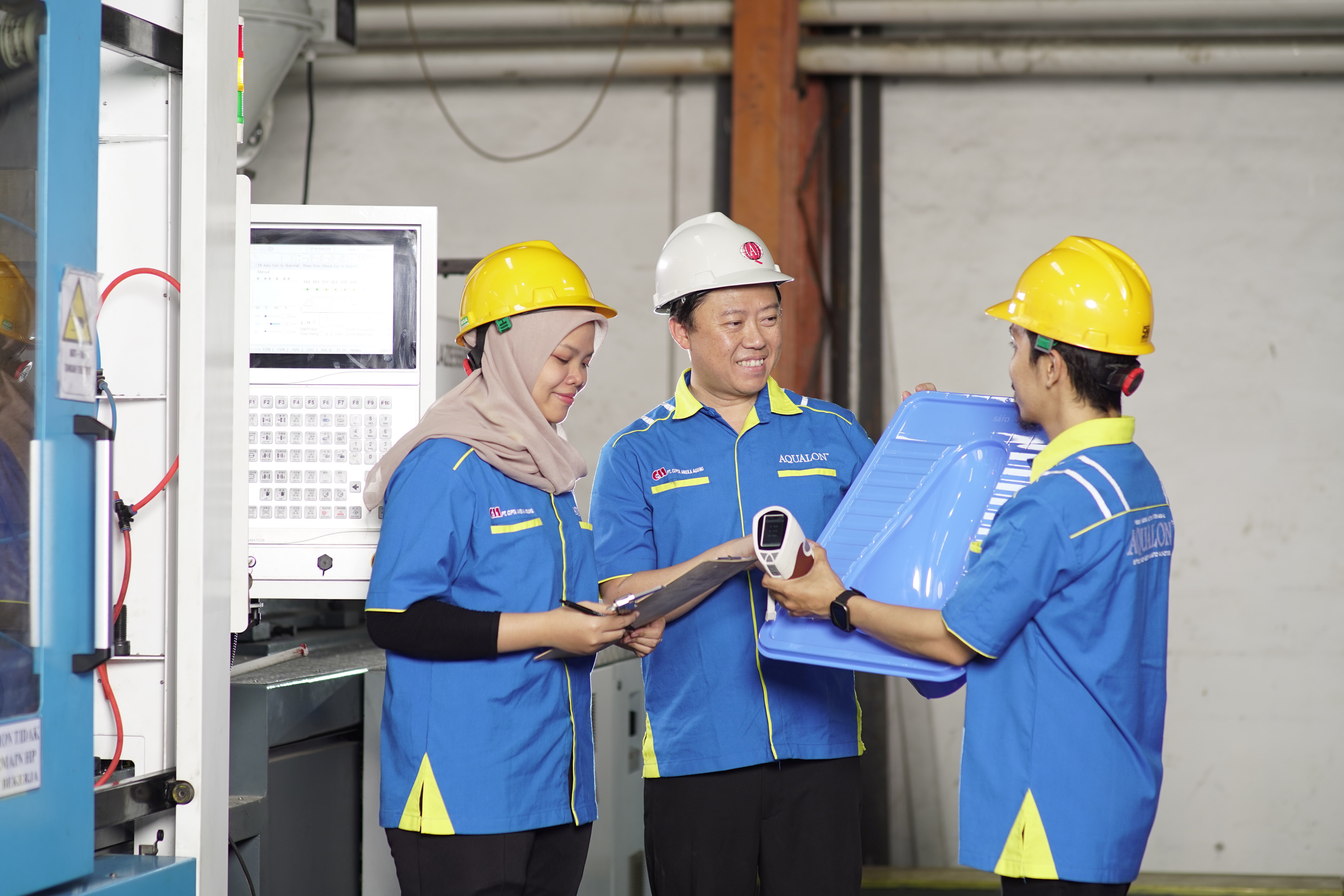
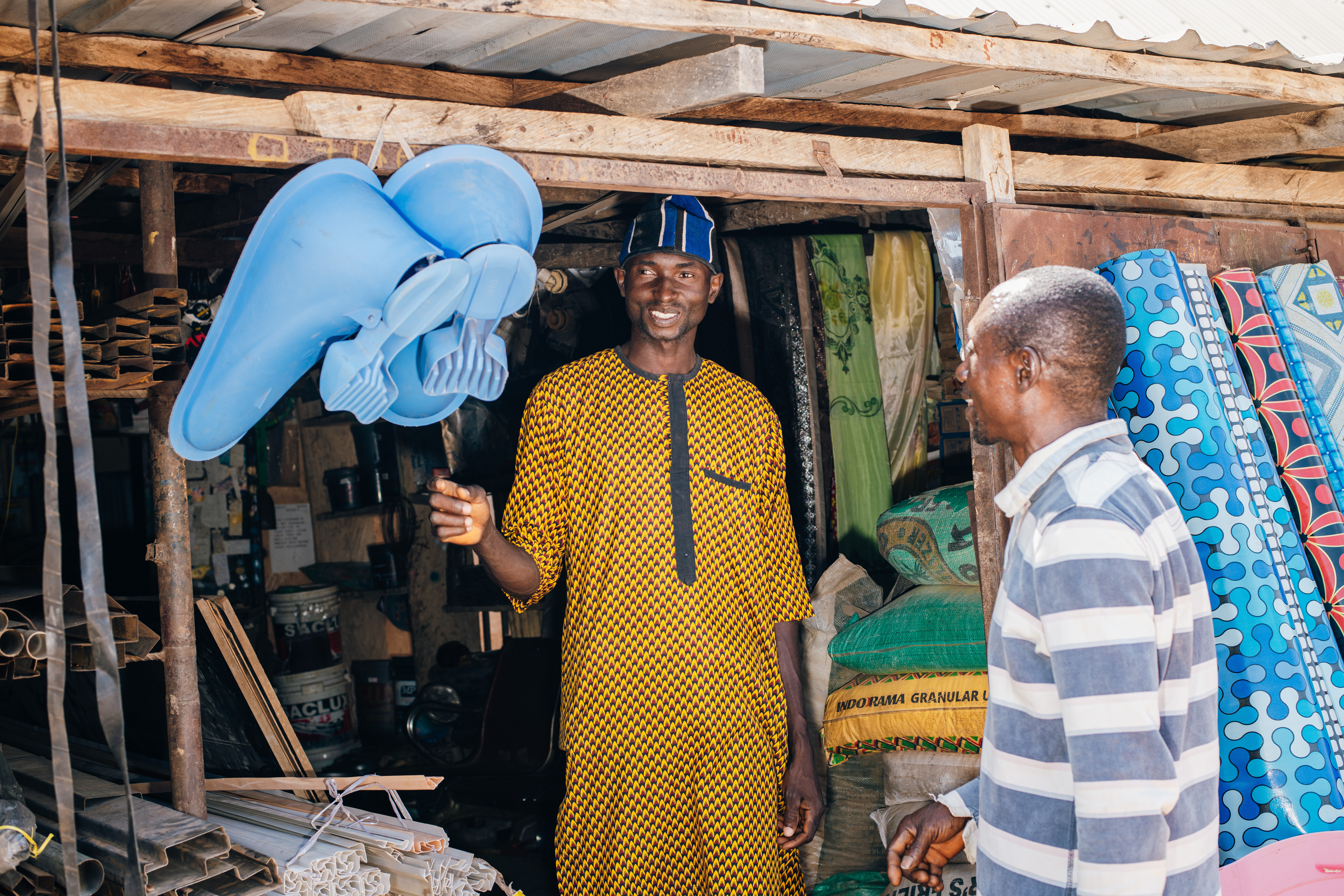
SATO is designed as a self-sustaining social business, leveraging a "Make, Sell, Use" cycle in the community to create jobs and allow local manufacturers and stakeholders to continue the business independently, while LIXIL collaborates with diverse partners--including governments, international organizations such as UNICEF, and local businesses--to scale this impact.
Impact & Results
As of December 2025, through its social business, LIXIL has shipped more than 10 million affordable sanitation and hand-hygiene units across 59 countries and territories. LIXIL announced in February 2026 that it had achieved their one of Impact Strategy goal of reaching more than 100 million people with improved sanitation and hygiene.
Future Outlook
LIXIL views its recent milestone of reaching over 100 million people with improved sanitation and hygiene not as a finish line, but as a robust foundation for future action. Underscoring this renewed commitment, the company has announced a new target to improve sanitation and hygiene for an additional 100 million people by the fiscal year ending March 2031. This next phase centers on further strengthening sanitation ecosystems, leveraging the infrastructure, supply chains, and operational frameworks established through its enduring partnerships and market-building endeavors.
- WHO/UNICEF JMP, Progress on household drinking water, sanitation and hygiene 2000-2024: special focus on inequalities (2025)
- UNICEF, Triple Threat How disease, climate risks, and unsafe water, sanitation and hygiene create a deadly combination for children (2023)
Note: This case study was developed based on an interview with Dr. Dave Mateo and Mr. Ryota Chono from LIXIL and information provided by the company.
Note: UNICEF does not endorse any company, brand, product, or service.